
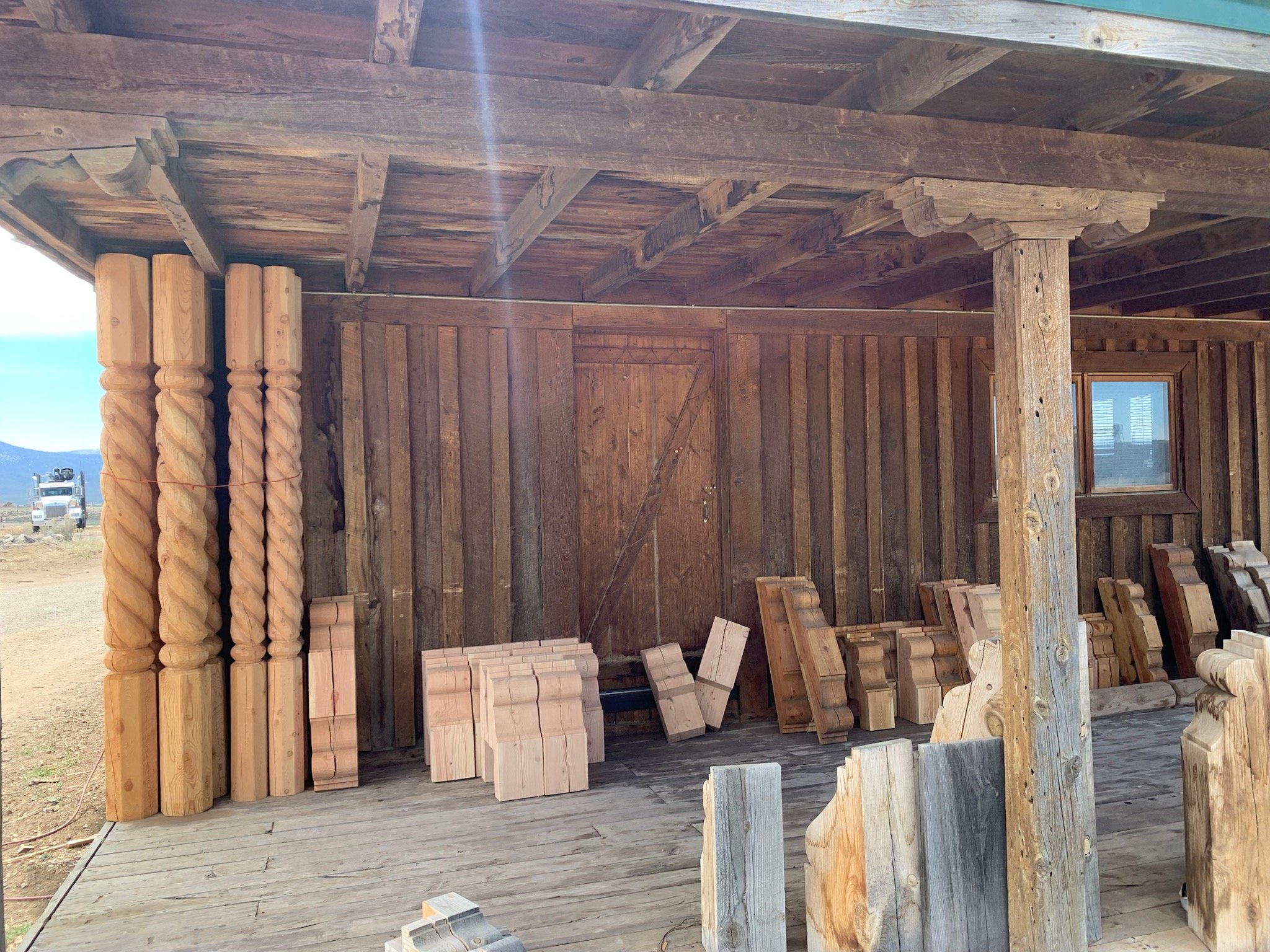
Healthy forests, watersheds, and communities go hand in hand. Local workers and businesses are essential to 2-3-2 Partnership success.
In 2025, 86% of Rio Chama CFLRP funds remained local, up from 64% in 2024.
OVERVIEW
The 2-3-2 Partnership encompasses a rural landscape where communities, forests, and waterways are deeply tied together, and where local people are essential for leading forest and watershed restoration projects. Local mills, contractors, and workers are essential for land health. We work together to promote the restoration economy where more forest and watershed restoration happens in a way that expands rural economic opportunities over time. To do this, we support our local mills and contractors to adapt to utilizing small diameter trees, access job training, hire local people, and navigate bureaucratic hurdles.
Youth Conservation Corps
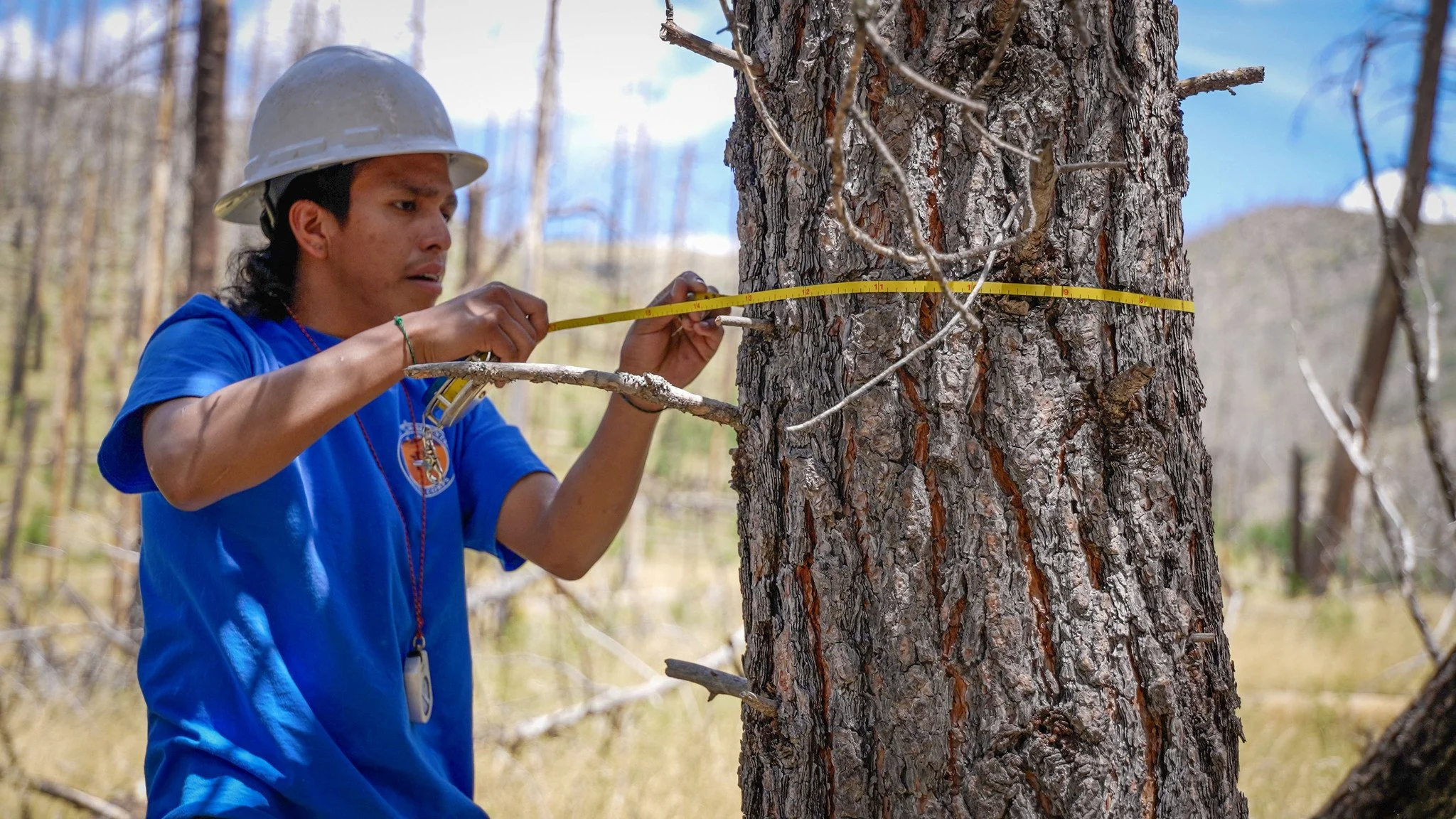
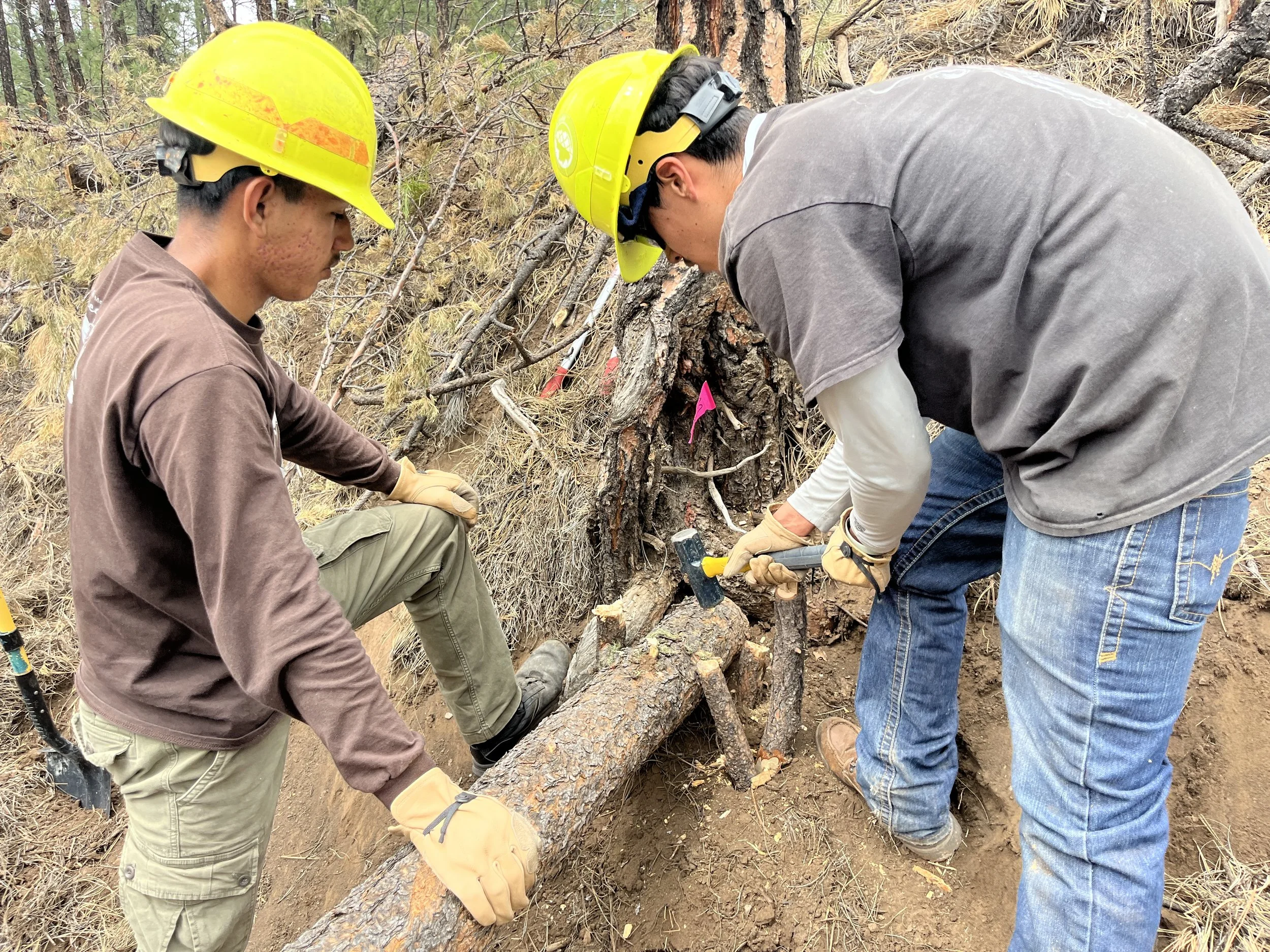
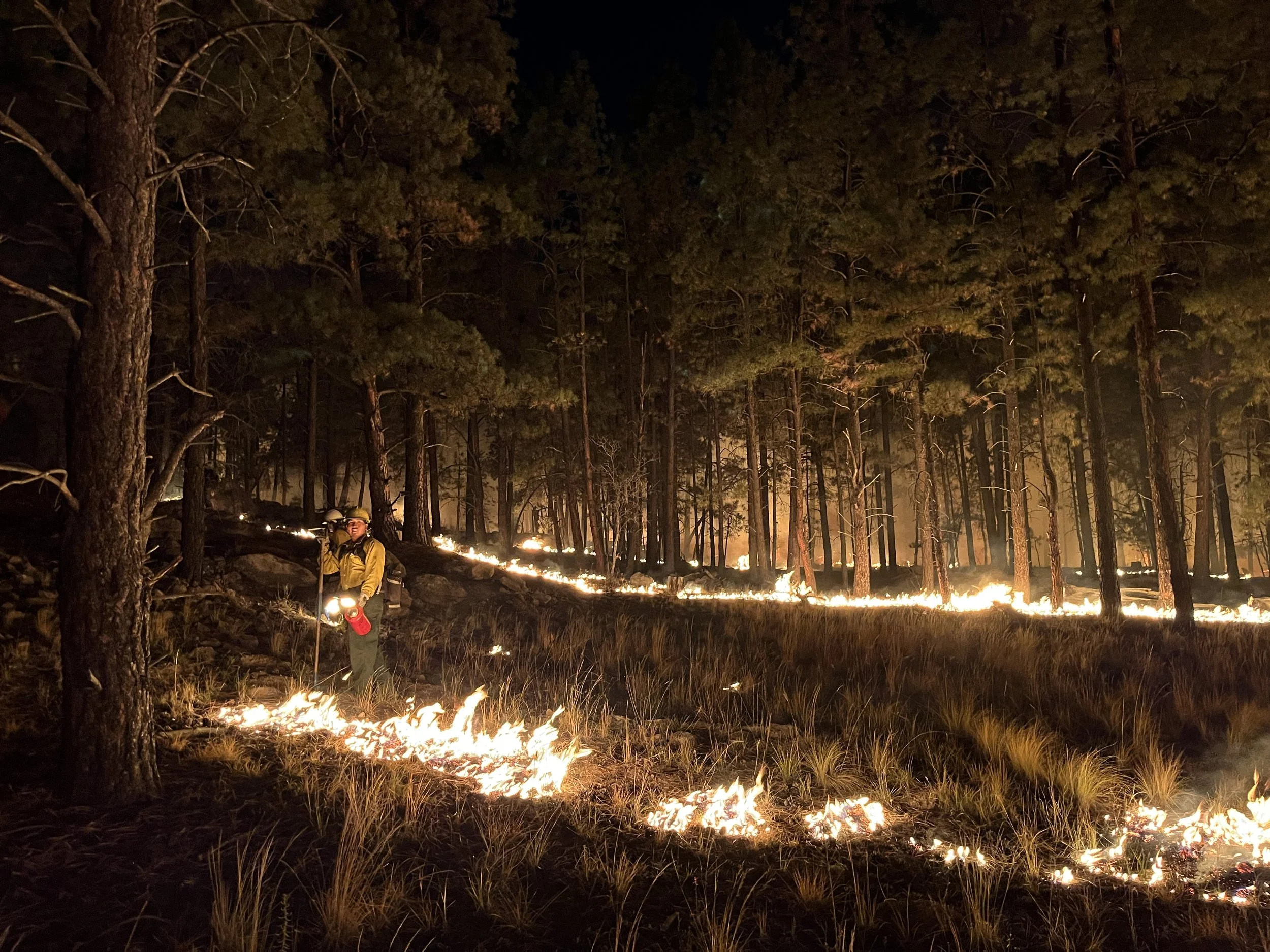
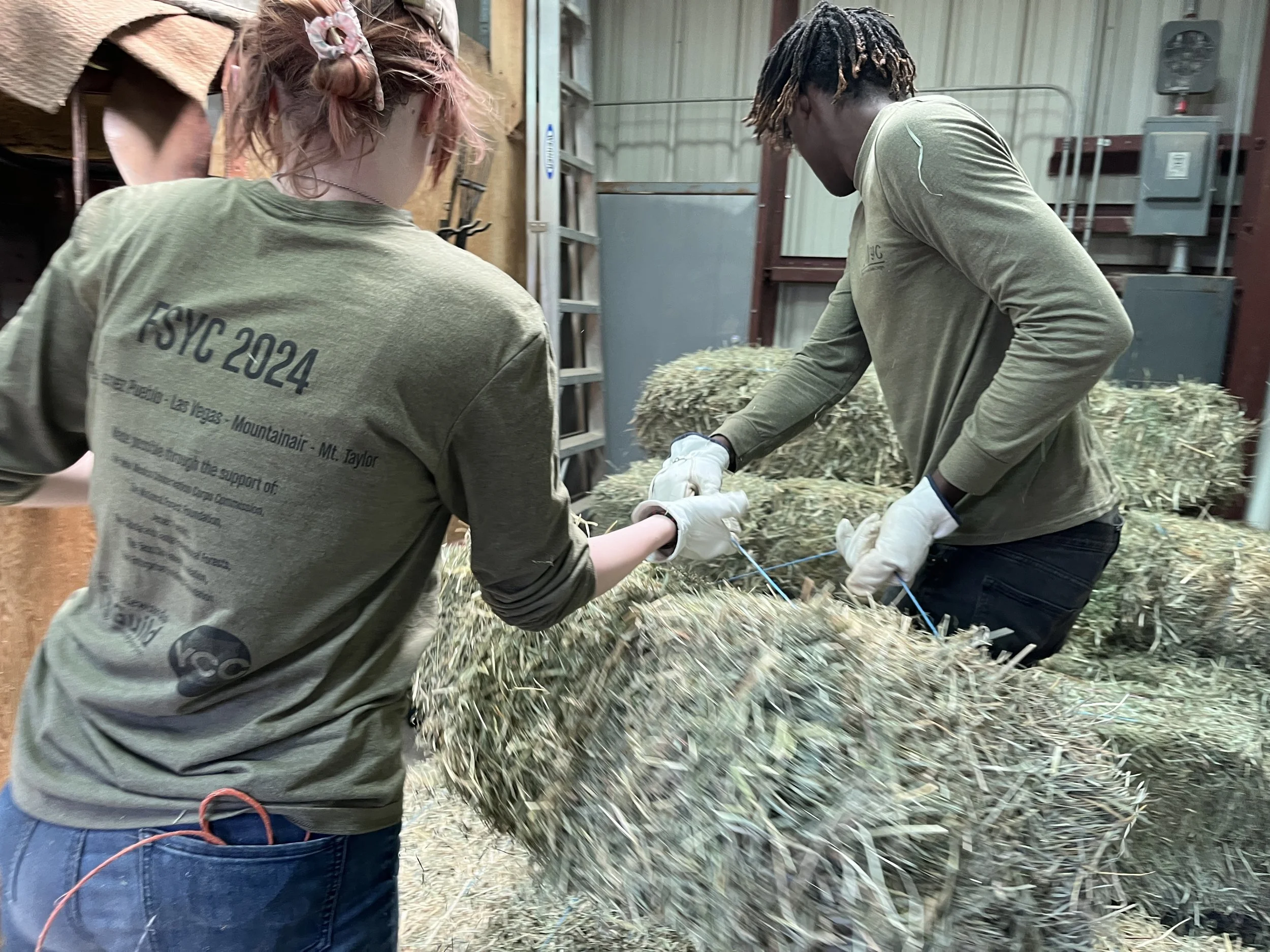
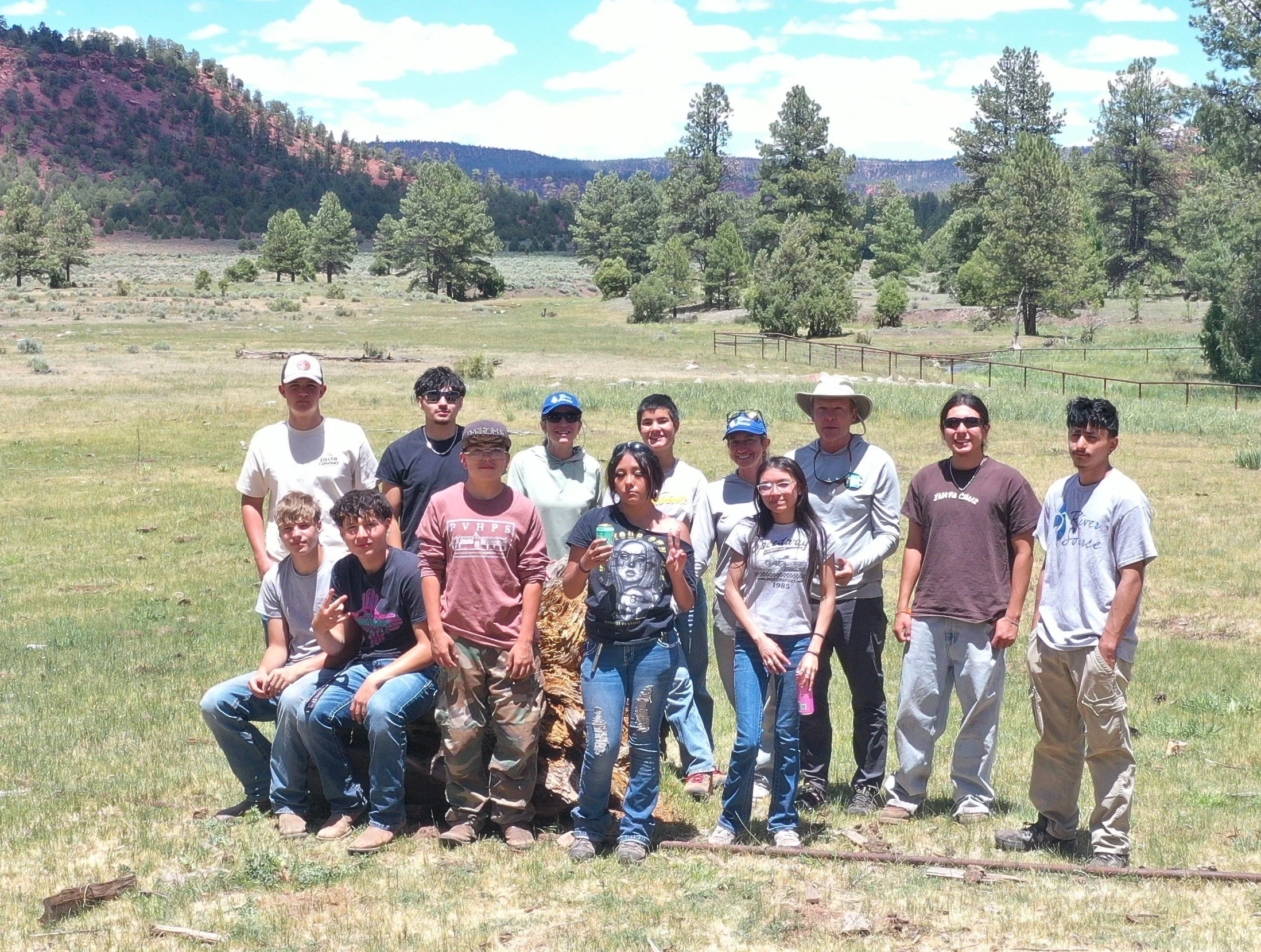
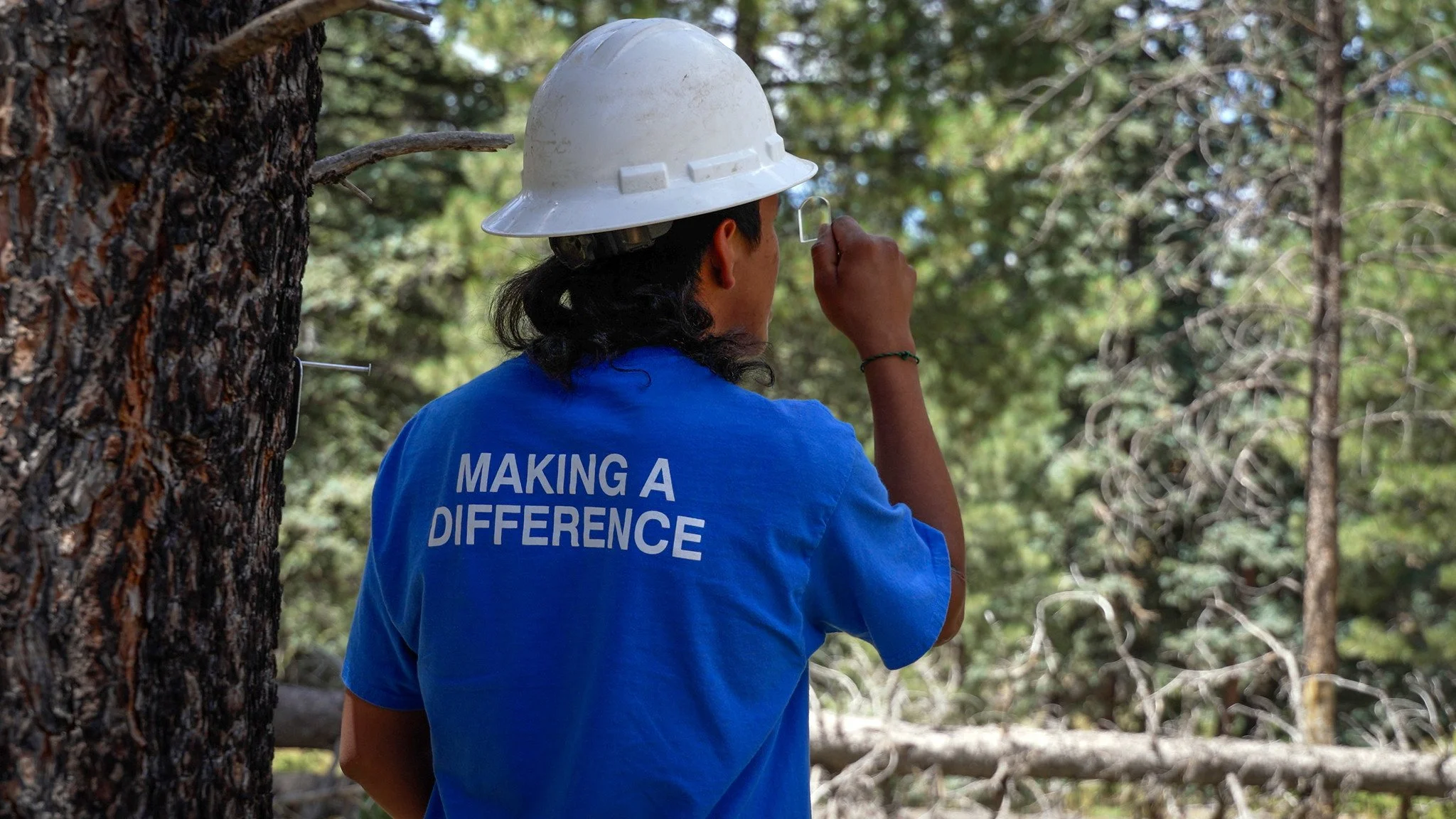
Multiple Youth Conservation Corps work within the 2-3-2 landscape, accomplishing important forest and watershed restoration projects by hiring local early career professionals.
Forest Stewards Youth Corps (FSYC) operates youth crews throughout the 2-3-2 and northern New Mexico to train and upskill community members while accomplishing high-priority natural resource work. In partnering with Forest Service districts and Pueblos, FSYC crews augment project capacity by working alongside trained professionals. Crew members gain a deep appreciation for their landscape while developing transferable technical and interpersonal skills. Many FSYC alumni go on to careers in wildland firefighting, forestry, or ecological monitoring.
Rocky Mountain Youth Corps (RMYC) engages youth and young adults in meaningful, paid conservation, restoration, and stewardship projects throughout New Mexico. For over 30 years, RMYC has been pairing hands-on project work with professional and personal development opportunities to serve communities in both the present and the future. Crews and individual placements have worked on a wide range of projects in the 2-3-2 footprint including floodplain and watershed restoration, fuels reduction, seed tree identification, post-fire restoration work, and surveying and monitoring work.
RiverSource's Watershed Academy offers 37 paid work-learn internships in a year-round program connecting agency, nonprofit, and local and federal government staff with crews in the summer or individual placements during the school year. Interns learn to read the landscape, implement low-tech process-based restoration practices, and use decision-support tools and digital storytelling. RiverSource creates leadership opportunities for interns with capstone presentations where interns become the experts. School-year internships range from full-time crew experiences to individual placements of 12 to 14 hours per week.
Contractor WorkshopS
2-3-2 Partners support an adaptive series of contractor workshops connecting local forestry businesses with opportunities from forest restoration projects in the region.
Workshops are designed to build local forest contractor capacity and expand participation in forest restoration projects. By supporting our locally skilled forest workforce, we are also supporting our long-term, landscape-scale restoration goals. Participants get support navigating state and federal contracting processes, engage directly with agency staff and fellow contractors, and connect to no-cost business development resources. Approximately three workshops are offered each year.
To sign up to receive information about upcoming workshops, visit the home page and subscribe to the 2-3-2 newsletter.
Grant Support
The 2-3-2 supports industry by providing targeted business development assistance to wood processing businesses in the partnership landscape.
Contact gabe.kohler@cadence-ready.com to explore support with a proposal.
Our industry-led approach works with participating businesses to identify and pursue funding for the utilization strategies, technologies, and market opportunities best aligned with their operational strengths, regional needs, and long-term business goals. Increasing the value and utilization of woody byproducts is essential to expanding the scale and financial sustainability of forest treatments.
Over the last three years, the 2-3-2 Biomass Utilization Committee has brought in almost $600,000 worth of funding through competitive grant programs. In 2024, Rocky Mountain Timber Products in Southern Colorado was awarded $60,000 to offset hauling costs for removal of hazardous fuels on the Rio Grande National Forest. In 2026, Olguin's Sawmill in Taos, New Mexico was awarded $540,000 to purchase a log peeler and debarker that will support processing of restoration byproducts and salvage wood.